THE INNER HARBOUR
Circular Quay & The Rocks
This is the orientation point: ferries, the Opera House, Harbour Bridge and some of the city's oldest streets sit within one walkable waterfront zone.

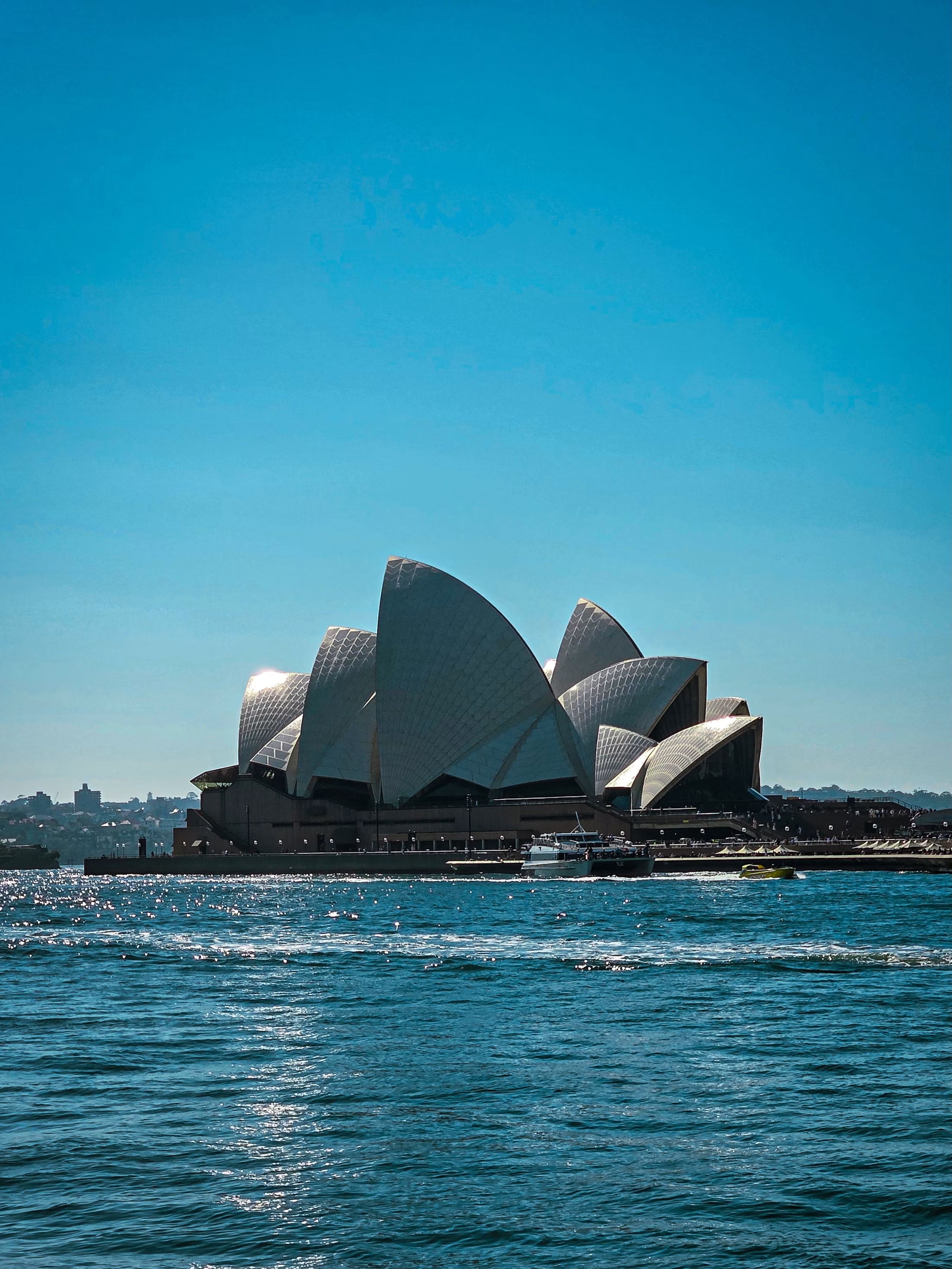
AUSTRALIA · NEW SOUTH WALES · PACIFIC COAST
Sydney is easiest to understand from the water outward. The harbour pulls the city toward ferries, headlands and coves; the Pacific opens the eastern edge into surf beaches and cliffs; neighbourhoods fill the space between them.
01 · READ SYDNEY
Sydney is not one waterfront. Harbour coves, ocean beaches, sandstone headlands and urban districts create several different versions of the city within a relatively compact geographic frame.
THE INNER HARBOUR
This is the orientation point: ferries, the Opera House, Harbour Bridge and some of the city's oldest streets sit within one walkable waterfront zone.
THE HARBOUR EDGE
Ferries turn harbour geography into part of the journey. These outer edges feel more open and maritime, with headlands, beaches and views back toward the city.
THE PACIFIC
East of the harbour, Sydney meets the open ocean. Surf beaches, ocean pools and cliff walks form a coastline that behaves very differently from the protected water inside the harbour.
THE CITY BETWEEN
Surry Hills, Paddington, Darlinghurst, Newtown and other neighbourhoods fill the space between famous waterfronts with food, culture, terraces, parks and everyday city life.
02 · THE HARBOUR
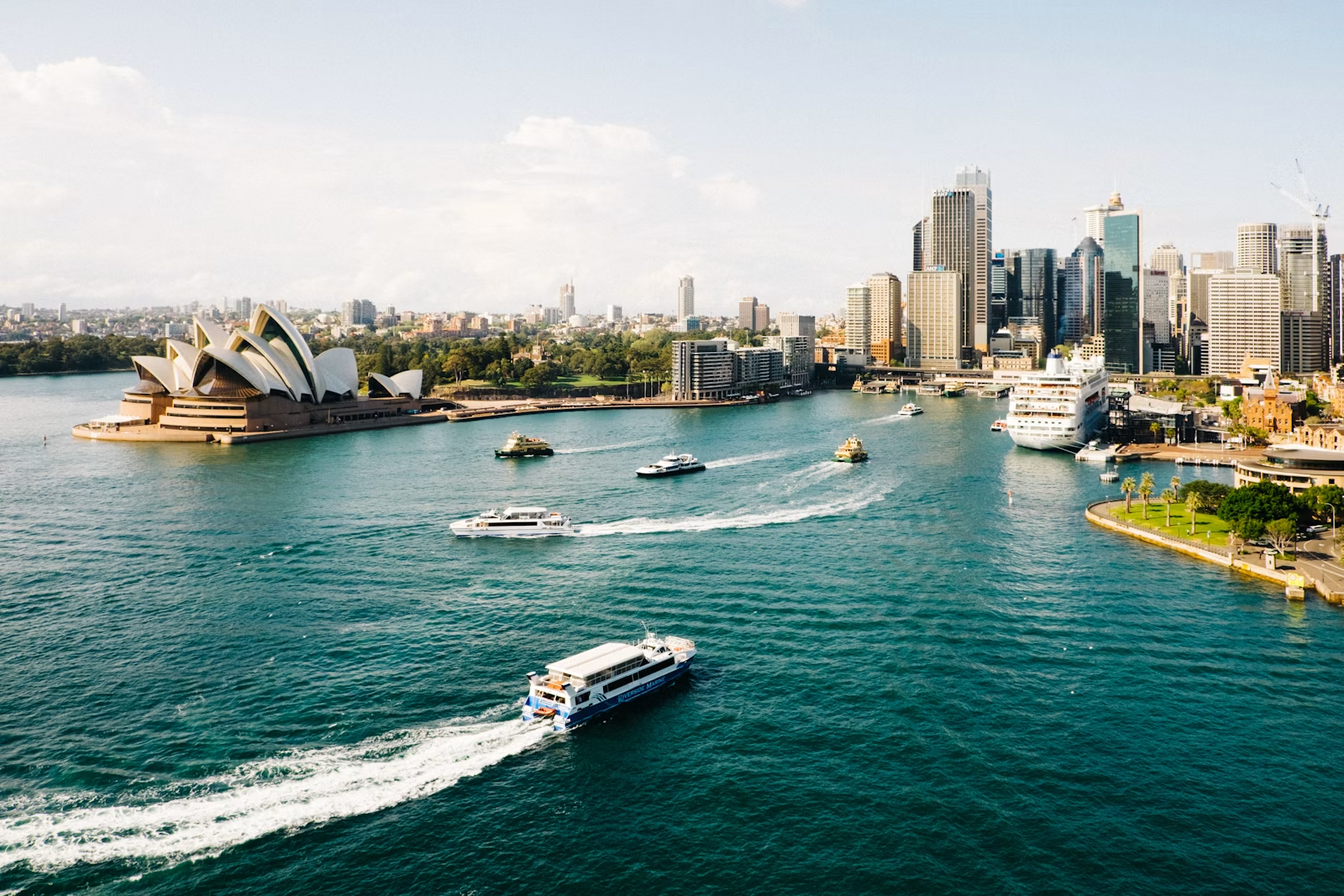
Circular Quay is more than a transport interchange. Ferry routes fan outward toward Manly, Watsons Bay, Taronga Zoo and the Parramatta River, turning the harbour into a working part of the city's movement.
Sydney's official tourism site notes around 240 kilometres of harbour shoreline and about 100 inner-city beaches. That scale explains why the harbour feels less like one attraction and more like a landscape threaded through the city.
03 · ARCHITECTURE IN THE WATERSPACE
UNESCO describes the Sydney Opera House as a masterpiece of 20th-century architecture and emphasises its position as an urban sculpture projecting into Sydney Harbour. The building is inseparable from its waterside setting.
That makes Circular Quay unusually effective for a first visit: architecture, transport, public space and geography are all visible at once. Walk from The Rocks around the quay to Bennelong Point before deciding where to go next.

04 · THE PACIFIC EDGE
Bondi's scale is different from the harbour: exposed water, surf, long sand and a coastline that continues through Tamarama, Bronte and toward Coogee. The beach works best as the start of a coastal sequence, not an isolated photo stop.
05 · WALK THE EDGE
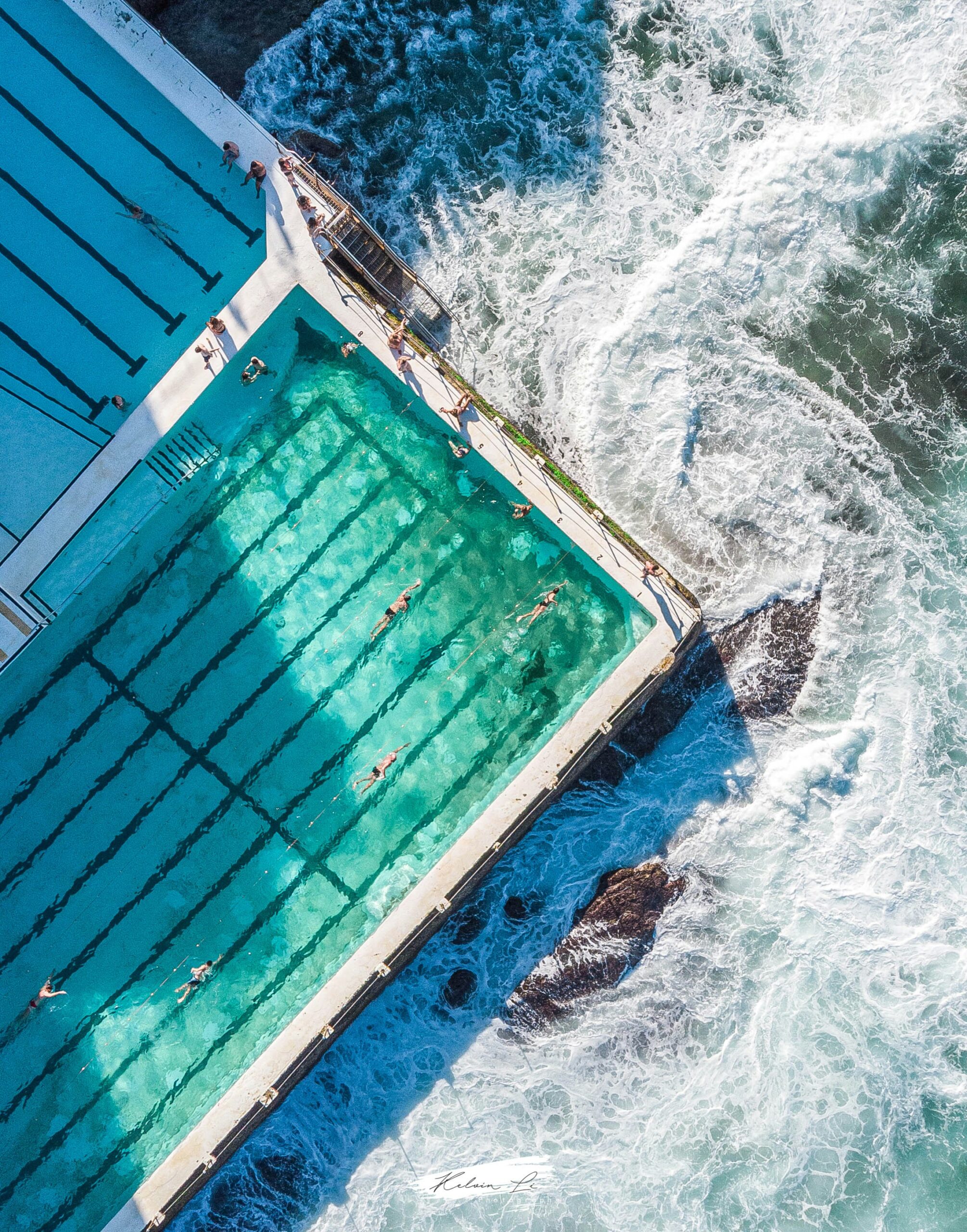
The Bondi–Coogee corridor links beaches, headlands, ocean pools and residential neighbourhoods along Sydney's eastern edge. Walking it makes the relationship between city and Pacific much clearer than simply moving between beaches by road.
Ocean pools are especially characteristic of Sydney. They sit literally between urban recreation and the sea: protected enough for laps, exposed enough to remain visually connected to waves and rock platforms.
06 · WHEN TO GO
Sydney has a temperate climate and works year-round. Seasons are opposite to the Northern Hemisphere: summer runs December–February and the coolest period is June–August.
SUMMER
Long outdoor days, swimming, harbour activity and peak beach culture. Expect busier waterfronts and strong sun.
AUTUMN
Useful for combining walking, neighbourhoods, harbour ferries and coast without making the entire trip about summer.
WINTER
Sydney does not shut down. Coastal walks, harbour days, museums and seasonal events remain strong; whale watching is also popular.
SPRING
Warmer conditions gradually pull the city back toward beaches, gardens, terraces and longer days outside.
07 · BUILD THE DAY
Start with older streets and harbour views before the Circular Quay waterfront becomes busier.
Move around Bennelong Point and continue along the harbour edge rather than treating the Opera House as a single stop.
Choose Manly or Watsons Bay and let the route itself become part of the sightseeing.
Shift from protected harbour water to Bondi, Bronte or Coogee and experience the open ocean.
Use the softer end-of-day light for the cliffs, ocean pools and coastal neighbourhoods.
Use another day for inner-city neighbourhoods, Manly, western harbour routes or longer coastal walks.
08 · PRACTICAL SYDNEY
The main airport sits south of the city centre and connects to central Sydney by train, taxi and road transport.
Circular Quay is the major ferry hub for routes toward Manly, Watsons Bay, Taronga Zoo and destinations west along the harbour.
Contactless cards and devices can be used on much of Sydney's public transport network alongside the Opal system.
Harbour beaches can be sheltered while Pacific beaches are exposed to surf. Conditions and lifeguard guidance matter.
Four days covers the major layers. Five or six creates room for coast, harbour ferries and neighbourhoods without constant transit.
Use sun protection, swim between flags at patrolled beaches and check current weather, surf and local safety information.
09 · QUICK ANSWERS
Four to six days is a useful range for a first visit. It gives enough time for the harbour, city centre, eastern beaches and at least one ferry-based excursion without reducing Sydney to its landmarks.
Sydney works year-round. Summer is strongest for a beach-focused trip, while autumn and spring are useful for combining city walks, harbour travel and coast with milder conditions.
Bondi is east of the city centre and is easily reached by public transport. It is not on the harbour: it faces the open Pacific, which is why the landscape and water feel so different.
Yes. The Sydney Opera House was inscribed on the UNESCO World Heritage List in 2007 for its outstanding architectural design, engineering innovation and influence.
Take a ferry. Routes from Circular Quay toward Manly or Watsons Bay reveal the scale of the harbour, its headlands and the relationship between central Sydney and the Pacific entrance.
PLAN WITH CURRENT INFORMATION
KEEP EXPLORING
Zoom out from Sydney's shoreline to the Pacific and the connected global ocean.
Open atlas → DISCOVERY CONNECTION · OPPOSITE SEASONSydney's summer arrives during Paris's winter; six months later, the seasonal pattern reverses.
Follow connection → ATLAS · OCEANIASee Sydney, Queenstown and The Remarkables in their wider geographic context.
Open atlas →