Europe
- London — United Kingdom
- Paris — France
- Madrid — Spain
- Rome — Italy
- Lisbon — Portugal
- Berlin — Germany
Explore global capitals and discover how geography, history, architecture and everyday urban life shape capital cities around the world — from the Thames and the Seine to the Nile and Kathmandu Valley.
A capital city is the principal seat of a country's national government, but global capitals are more than political centers. They concentrate history, institutions, monuments and national identity while also functioning as living cities. SeekGlobe explores capital cities around the world through streets, rivers, neighborhoods, markets and landscapes — not only official buildings.
National capitals appear in every inhabited continent, from historic river cities to planned administrative centers. This is a compact discovery sample rather than a complete list of every capital city.
Capital status can be defined differently from country to country; some states divide governmental functions between more than one city.
Move between four capital cities across Europe, Africa and South Asia. Each reveals a completely different relationship between geography, history and modern urban life.

The Thames, royal institutions, historic neighborhoods and one of the world's great global cities.
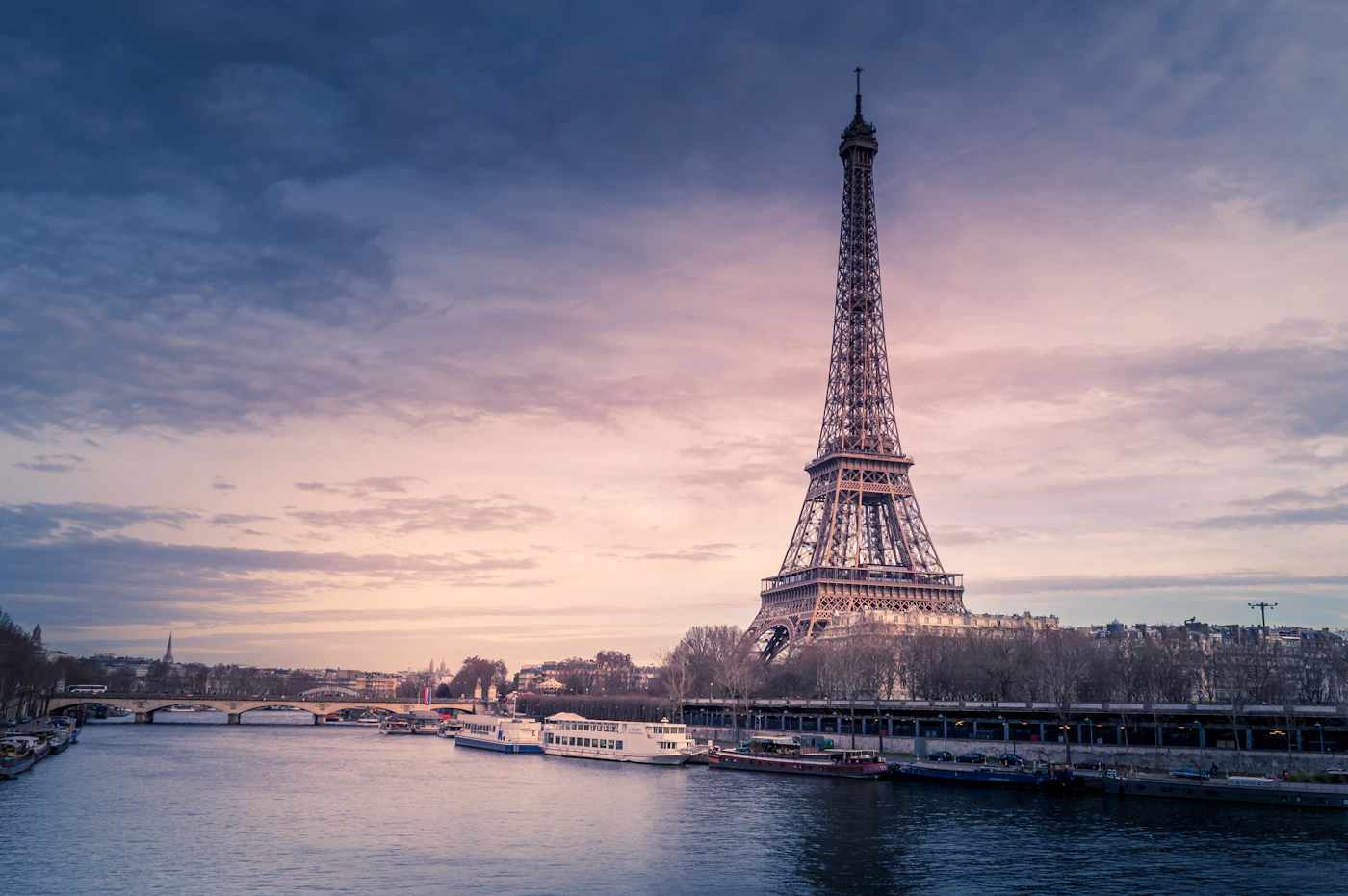
Monumental avenues, riverbanks, neighborhoods and layers of French cultural history.

The Nile, medieval streets, modern megacity life and the ancient landscape of Giza.

Temple squares, Buddhist stupas, dense neighborhoods and the cultural landscape of the Kathmandu Valley.
Government buildings and national monuments matter, but they are only one layer. A stronger capital-city journey moves between official spaces and ordinary streets, public transport, markets, rivers, parks and neighborhoods.
Start where the city's older streets, institutions and monuments reveal how the capital developed.
Leave the ceremonial center and see where residents actually shop, eat, commute and spend time.
Rivers, hills, valleys and coastlines often explain why a capital grew where it did.
Museums, public spaces and architecture show how a country tells its story through its capital.
A capital city is the principal city where a country's national government is based or officially seated. Capitals often contain major government institutions, diplomatic missions and national monuments, although their roles vary from country to country.
No. There is no official world capital. Countries have their own national capitals, while international organizations are headquartered in different cities around the world.
Rivers, coastlines, valleys and surrounding terrain influence how a capital grows, how people move through it and where important districts develop. In many world capitals, geography is part of the city's identity rather than just its backdrop.
Look at ordinary neighborhoods, markets, public transport, riverfronts, parks and local streets. Those everyday spaces often reveal more about how a capital actually works than its ceremonial center alone.
Choose by contrast. London and Paris offer major European urban environments, Cairo connects the Nile with one of the world's great historic landscapes, while Kathmandu opens into the culture and geography of the Himalayan region.
Return to SeekGlobe and move between cities, coastlines, mountains and landscapes around the world.