THE FOUNDATION
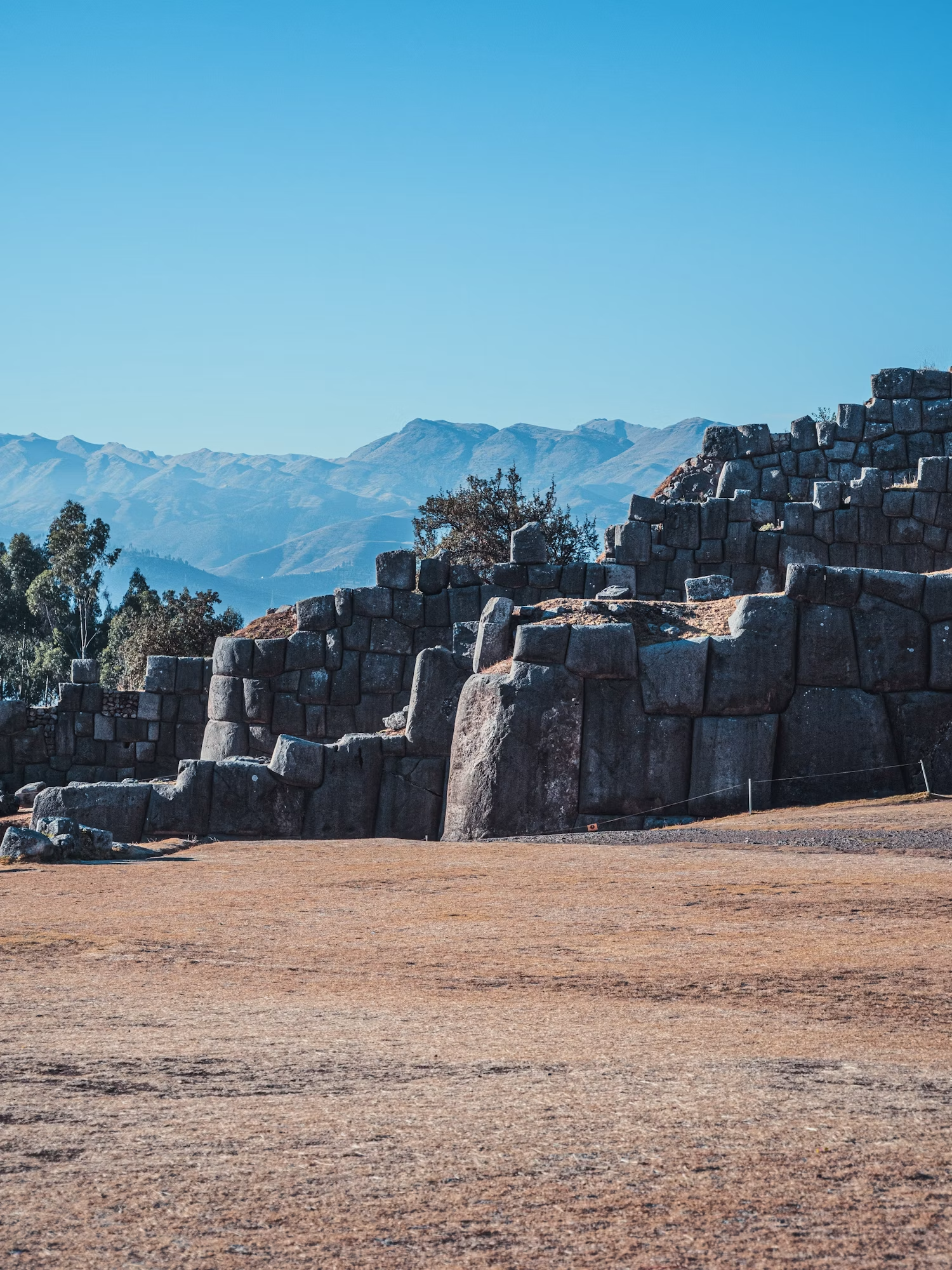
Inca stone
Precisely cut walls, canchas and surviving fragments of the imperial city still shape streets and buildings. Qorikancha and the walls around the historic centre make the pre-Hispanic city visible beneath later architecture.

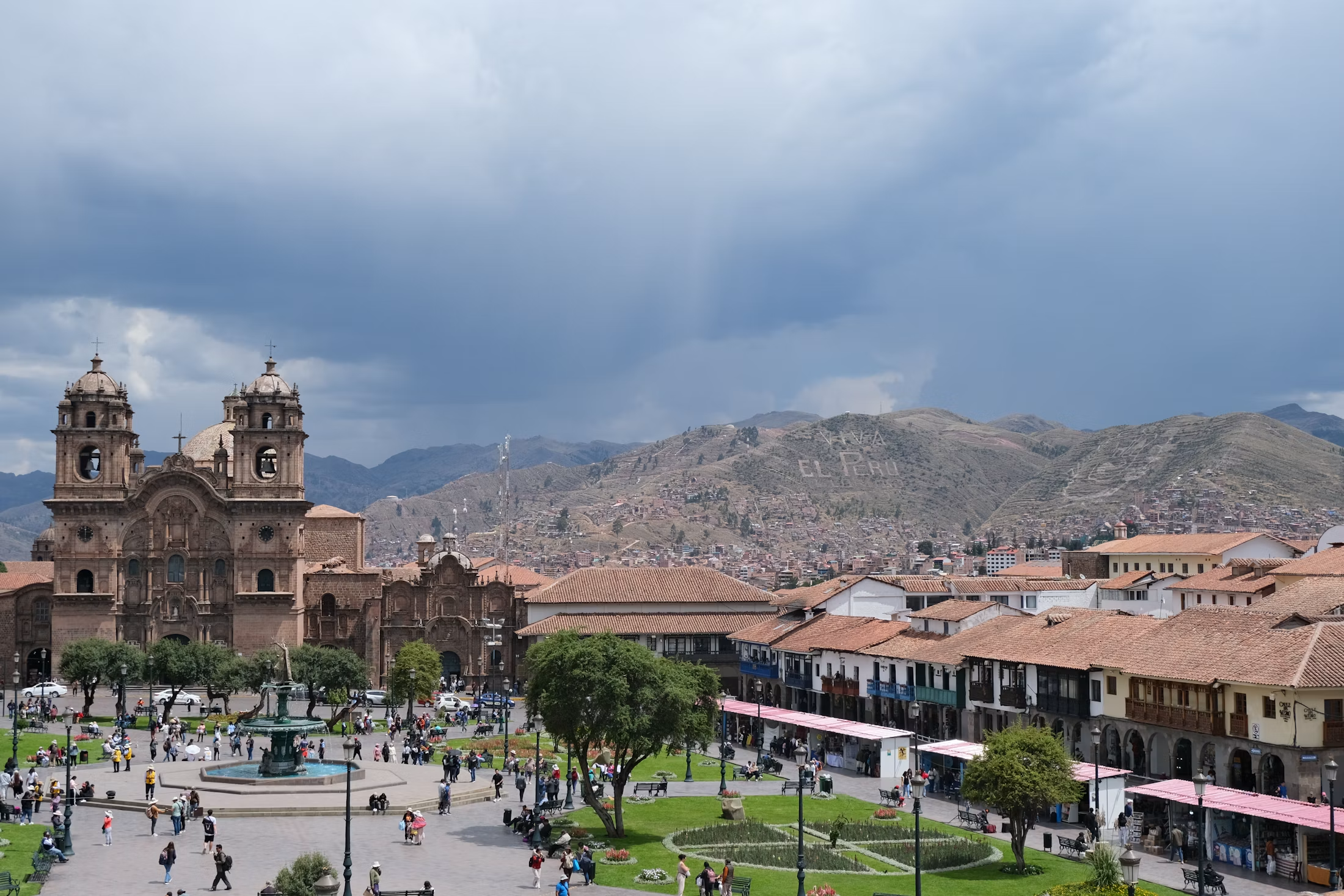
PERU · ANDES · 3,400 M
Cusco is not simply a gateway to Machu Picchu. The former Inca capital is a destination in its own right: a high Andean city where imperial stonework, colonial architecture, steep neighbourhoods and the wider Sacred Valley all belong to the same landscape.
01 · READ THE CITY
The strongest way to understand Cusco is not as a list of monuments, but as a city built through different eras on the same Andean ground.
THE FOUNDATION
Precisely cut walls, canchas and surviving fragments of the imperial city still shape streets and buildings. Qorikancha and the walls around the historic centre make the pre-Hispanic city visible beneath later architecture.
THE OVERLAY
After the Spanish conquest, churches, monasteries and houses rose over the Inca city while much of its underlying structure remained. The result is not two separate cities, but one unusually legible architectural collision.
THE SLOPES
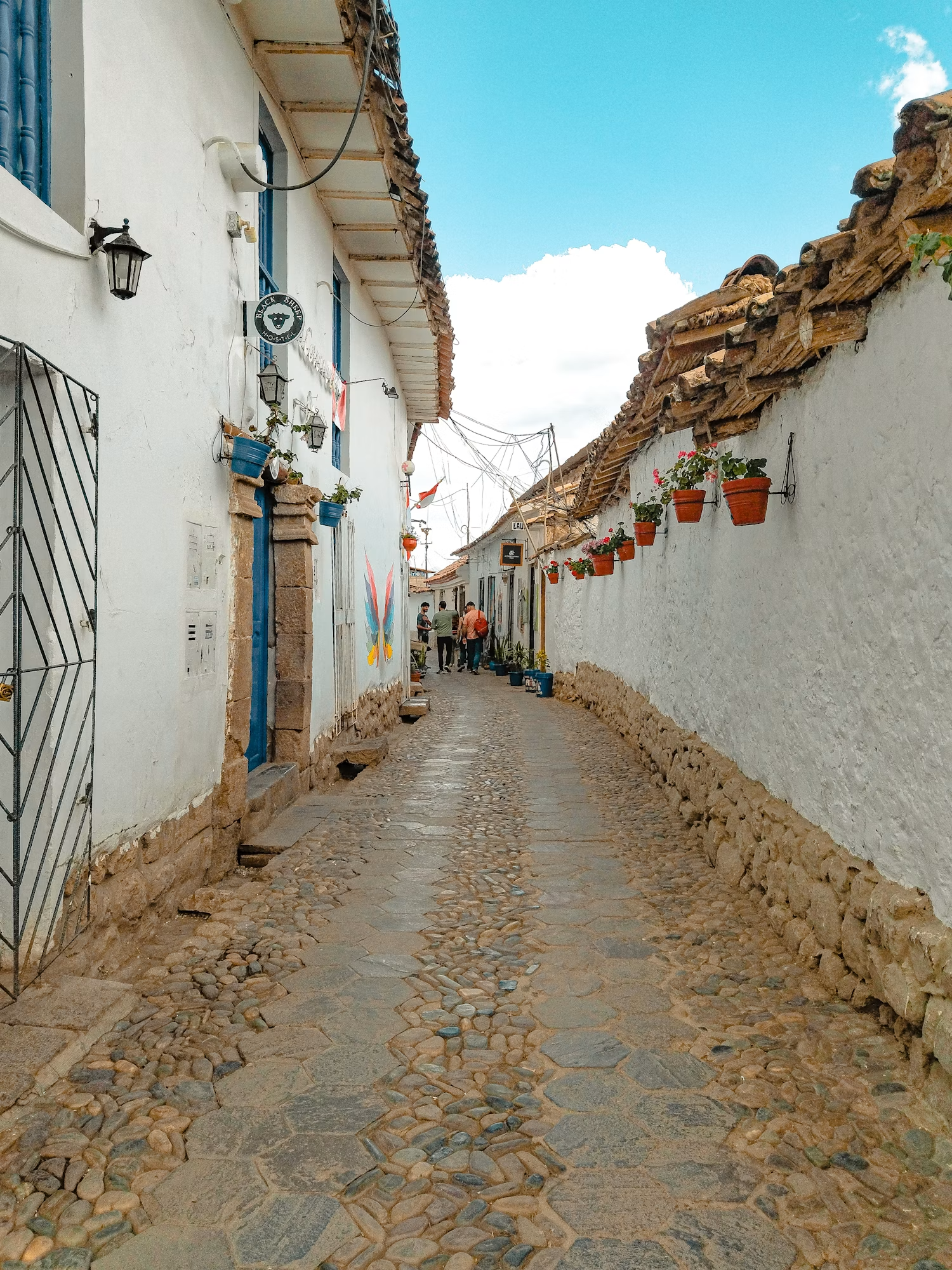
Move uphill from the Plaza de Armas and the city becomes steeper, narrower and more residential. San Blas adds workshops, small streets, viewpoints and a different pace from the ceremonial centre below.
THE REGION
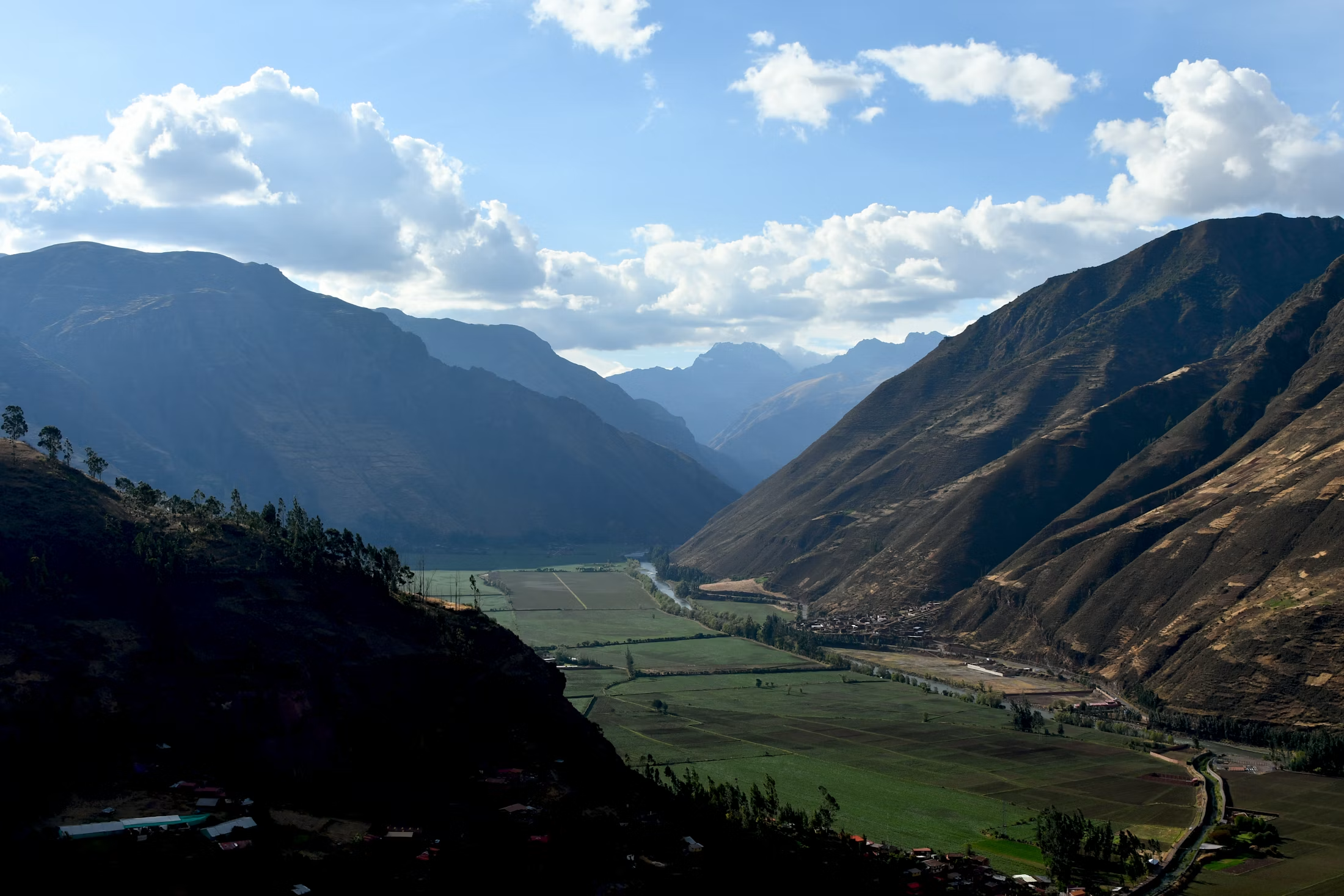
Cusco belongs to a wider Andean system of valleys, terraces, archaeological sites and towns. Pisac, Ollantaytambo, Chinchero and the Urubamba corridor turn the city into a base for understanding an entire landscape.
02 · THE STONE CITY
UNESCO describes Cusco as the former capital of Tawantinsuyu, remodelled under the Inca ruler Pachacutec in the 15th century. Its surviving urban fabric includes meticulously cut stone walls, rectilinear streets and the remains of major religious and administrative compounds.
The Spanish city did not erase that structure. Baroque churches, palaces and houses were built over and within it. That physical superimposition is the essential Cusco experience: architecture becomes a record of political and cultural change.
Cusco sits high enough for altitude to affect how a trip feels. Walking uphill, climbing stairs or rushing directly into strenuous excursions can feel very different here than at sea level.
Peru's official travel guidance recommends resting during the first days at altitude, avoiding physical strain and staying well hydrated. Build acclimatization into the itinerary instead of treating it as lost time.
Arrive and walk slowly.
Hydrate consistently.
Save harder excursions for later.
04 · ABOVE THE PLAZA
Plaza de Armas provides orientation, but the city becomes more intimate as you climb toward San Blas. Narrow cobbled streets, white walls, balconies, workshops and small plazas replace the broad ceremonial scale of the centre.
This is also where altitude becomes physically obvious. The slopes encourage slower movement, which suits the district: stop frequently, look back across the tiled roofs, and let the city reveal itself by elevation.
Cusco is better when you stop measuring the day by how many attractions you completed.
05 · THE WIDER LANDSCAPE
The Sacred Valley stretches the Cusco experience outward into farmland, terraces, archaeological sites and high mountains. Its lower valley floor can also make it a useful transition between the altitude of Cusco and more demanding excursions.
06 · WHEN TO GO
In the southern Andes, seasonality affects roads, trekking, visibility and the feel of the city. Dry months generally favour outdoor travel, while the wetter season brings greener landscapes and more variable conditions.
DRIER · BUSIER
This is the classic high season for Cusco and the surrounding Andes. Conditions are generally stronger for outdoor exploration, but popular sites are also busier and nights can be cold.
SHOULDER
A strong period for travellers who want to avoid the peak of the busiest months while still keeping substantial outdoor time.
WETTER
Rain becomes a bigger part of planning. Build flexibility into day trips and trekking plans, especially when road conditions matter.
TRANSITION
April often sits between the wetter summer pattern and the drier high season, making it an interesting compromise for some itineraries.
07 · BUILD THE TRIP
Keep the pace intentionally light. Walk the centre, sit often, eat well and let altitude define the first day.
Focus on the layered city: Inca walls, colonial buildings and the surviving structure of the former imperial capital.
Move between monumental stonework above the city and the smaller streets, workshops and viewpoints of San Blas.
Use a full day rather than compressing Pisac, Ollantaytambo and the valley into a rushed transfer.
Only after Cusco has become a destination itself should the journey expand toward Machu Picchu, trekking or longer regional routes.
A five-day plan at 3,400 metres should not be paced like five days at sea level. Leave deliberate space between major excursions.
08 · PRACTICAL CUSCO
Cusco's current airport is inside the urban area and is the main air gateway for the city. Check airline and airport information before travel, especially when connecting onward.
The historic core is compact, but slopes and altitude make distances feel longer. Comfortable shoes and a slower pace matter more here than the map suggests.
For airport transfers and longer urban trips, use marked taxis, accommodation-arranged transport or established ride services rather than unmarked vehicles.
Cusco itself deserves several days, especially when acclimatization is included. Add more time if the Sacred Valley, Machu Picchu or multi-day trekking is part of the journey.
Strong sun, cool shade and colder evenings can happen in the same day. Layers, sunscreen, a hat and good walking footwear are useful year-round.
Rest and hydration are important during acclimatization. If symptoms become severe or concerning, seek local medical attention rather than trying to push through a planned itinerary.
09 · QUICK ANSWERS
Yes. Cusco is a UNESCO World Heritage city and former Inca capital with important architecture, neighbourhoods, archaeological sites and cultural life of its own. It should not be treated only as a transit point.
UNESCO places the city at approximately 3,400 metres above sea level. The altitude can affect physical effort, so an easier first day and gradual acclimatization are sensible.
Four to six days is a useful range for Cusco itself plus some surrounding experiences. Add additional days for Machu Picchu, the Sacred Valley or longer trekking routes.
The drier part of the year, especially May through August, is popular for outdoor travel in the Andes. Shoulder months can offer a useful balance, while the wetter season requires more flexibility.
Keep the day light. Walk slowly around the historic centre, hydrate, rest and avoid immediately scheduling strenuous high-altitude activities.
PLAN WITH CURRENT INFORMATION
KEEP EXPLORING
Place Cusco and Rio de Janeiro in their wider continental context.
Open atlas → COLLECTIONContinue from the Andes to alpine landscapes around the world.
Explore mountains → SEEKGLOBEContinue exploring cities, beaches and mountain regions.
Browse destinations →